


AVAILABLE NOW:

Fence Longevity: The Port St Lucie Homeowner’s Expert Guide to Protection

By SW Fences Port St Lucie | Your Trusted Local-Expert Partner on the Treasure Coast

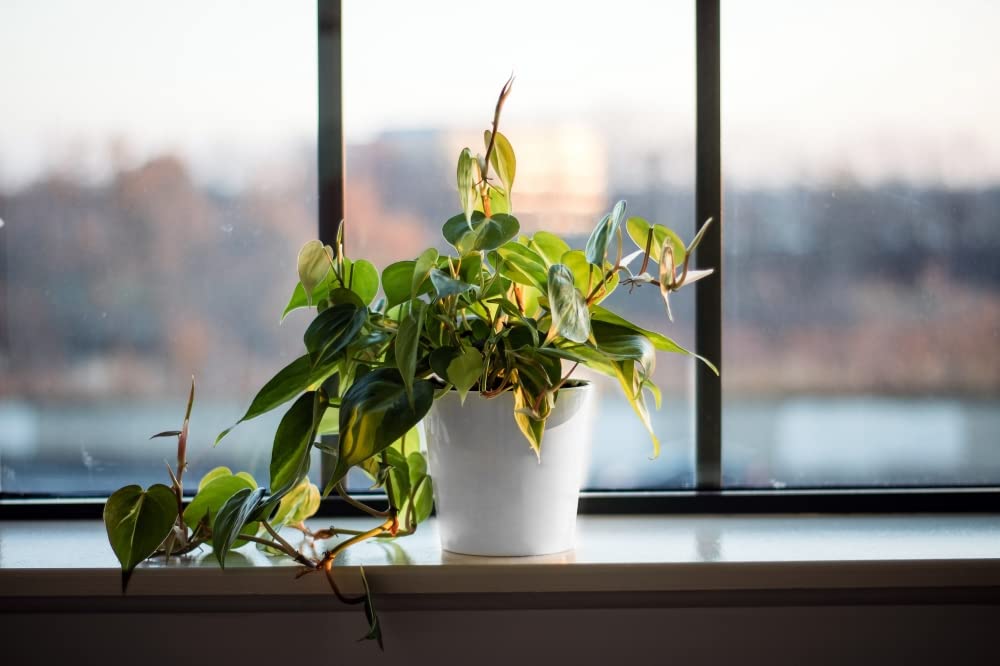
When it comes to maintaining a beautiful and durable fence in Southeast Florida, many homeowners overlook a key factor: landscaping. The way your yard is designed—from the plants you choose to your irrigation setup and overall backyard care strategy—directly affects fence longevity.

At SW Fences Port St Lucie, we’ve seen how thoughtful fence landscaping Florida style can extend the life of your perimeter and reduce the need for early fence repair. The Treasure Coast climate brings salty air, high humidity, and intense sunlight. Because of these conditions, poor landscaping decisions can turn a quality installation into a costly problem.

In this guide, we share expert strategies to protect your fence while keeping your yard lush and long-lasting. By adding the right fence maintenance tips to your routine, you can strengthen your property value and improve your fence’s lifespan for decades.


The foundation of every strong fence starts below the ground. In fact, up to 80% of major fence failures we see across St. Lucie County relate to drainage issues or poor soil erosion control.

Proper grading is essential for preventing structural damage. Your goal is simple: make sure water flows away from your fence posts, not toward them, and never pools at the base.

If your yard slopes toward the fence, water will collect around the footings. This constant saturation encourages wood rot and speeds up post decay. A slight 1% to 2% slope away from the fence line on both sides is usually enough to help water drain properly. This small adjustment is especially important with the Treasure Coast’s high water table.

For severe elevation changes, consider adding retaining walls near the fence line. They must be engineered correctly to manage soil pressure and drainage. A poorly installed wall can push posts out of alignment and create even worse structural issues.

Many homeowners pile soil, leaves, or mulch directly against the fence’s bottom rail. Although it looks clean, it creates ideal conditions for rot.

Why It’s a Problem:

  • Trapped Moisture: Organic material absorbs and holds moisture against the wood.
  • Pest Attraction: Termites, carpenter ants, and other insects thrive in these damp spots.

Expert Tip: Keep a 6–12 inch gap between mulch and the fence. A border of river rock, gravel, or pavers improves drainage and helps deter pests.


Lush landscaping is beautiful, but it can threaten fence durability if roots grow too close to the structure.

Trees provide shade, yet their roots can damage fence footings over time.

  • Post Lifting: Expanding roots can push posts out of alignment.
  • Concrete Footing Damage: Roots can crack or fracture concrete, weakening the fence and making it vulnerable to wind.

Keep large trees and aggressive shrubs at least 3 to 5 feet from your fence. This space helps both the fence and the plant thrive.

Choose plants with shallow, non-invasive root systems. Dense hedges trap humidity and reduce airflow, which encourages algae, mildew, and wood rot.

Good Choices: Coontie Palm, Railroad Vine (kept trimmed), native ornamental grasses.
Bad Choices: Wisteria, large Creeping Fig, Ligustrum, and Ficus hedges.

If you use raised garden beds, build them a short distance from the fence. This gap makes room for maintenance and improves airflow.


Water management is the most controllable factor in preventing moisture damage. Your irrigation system can either support—or destroy—your fence.

Traditional sprinklers are a major cause of fence deterioration. A sprinkler spraying the same section for 10–15 minutes several times a week creates constant saturation.

Better Option: Install drip irrigation near the fence. Drip systems deliver water directly to plant roots and prevent overspray on the fence.

If you use spray sprinklers, adjust the heads to avoid hitting the fence. Never allow a sprinkler to soak the bottom rail or fence posts.

The USDA Forest Products Laboratory has extensively documented how continuous moisture exposure significantly compromises wood structure and reduces its lifespan. This research explains why proper sprinkler placement is one of the most important fence maintenance tips for protecting your investment.

Gutter and Rainwater Management

Roof runoff can dump large amounts of water directly onto your fence.

  • Downspouts: Point them at least 5 feet away from the fence.
  • Drainage Channels: Consider a French drain to move water safely to a lower area.

Improving gutter management is often cheaper than repeated fence repair.


Every fence material has unique care needs. Here’s how to maintain each one in Southeast Florida.

Although pressure-treated wood resists rot, it still needs protection.

  • Seal and Stain: Reapply sealant every 2–3 years to shield the wood from moisture and UV rays.
  • Clean Gently: Use mild detergent and a soft brush. High-pressure washing can strip the sealant.
  • Termite Control: Regular inspections are essential because landscaping can hide termites.

Vinyl is low-maintenance but not maintenance-free.

Humid, shaded areas promote algae and mildew growth. Trim plants regularly and clean the vinyl with gentle detergent and water.

Salt air along the Treasure Coast can affect aluminum over time.

  • Hardware Checks: Moisture and salt can cause screws and brackets to corrode.
  • Cleaning: Rinse with soap and water to remove salt and mineral buildup.

Some issues require professional attention. Waiting too long can turn a small problem into a costly repair.

Call SW Fences Port St Lucie if you see:

  • Leaning Posts or Sagging Panels
  • Soft, Decaying Wood at the Base
  • Cracked Concrete Footings
  • Persistent Drainage Problems

Repeated Drainage Failure: If water continues to pool around your fence after every rain, even after you’ve made improvements, you likely need a professional drainage solution. In many cases, the issue goes beyond standard landscaping and requires specialized ground preparation. For severe situations, the Federal Highway Administration provides helpful guidance on advanced erosion control and site preparation.


🗣️ Local Testimonials from Port St. Lucie Homeowners

“SW Fences didn’t just install a great fence; they explained proper fence landscaping Florida techniques. Adjusting our sprinkler placement solved our wood rot problem immediately.” — Maria S., Tradition, FL

“We struggled with drainage problems in St. Lucie West. SW Fences stabilized the area and gave us smart fence maintenance tips. They truly understand the Treasure Coast climate.” — James R., St. Lucie West, FL

“Our vinyl fence kept getting algae. SW Fences showed us how airflow and smart planting help. The fence now looks brand new.” — Karen T., Jensen Beach, FL


Proper fence landscaping Florida style is more than an aesthetic choice. It’s a long-term investment in your home’s durability and value. Smart planting, effective drainage, and simple fence maintenance tips all reduce the need for fence repair and improve residential fence longevity.

Remember, the goal is to keep the base of your fence dry and well-ventilated. When you reduce moisture and improve airflow, you help prevent the environmental forces that weaken your fence over time. As a result, your fence stays stronger and lasts longer. For additional guidance on long-term protection, you can refer to trusted industry standards from the National Fence Manufacturers Association.


Ready to protect your investment and improve your fence’s lifespan?

Call For Your FREE Estimate Today and let SW Fences Port St Lucie combine landscaping expertise with professional fence care for long-lasting results.

Leave a Comment

Your email address will not be published. Required fields are marked *

Scroll to Top